In today’s rapidly changing society, the need to build an ideal organization is growing stronger. The key to this is understanding the skills and experiences of employees across the organization. But how? Enter Zipteam.
What is Zipteam?
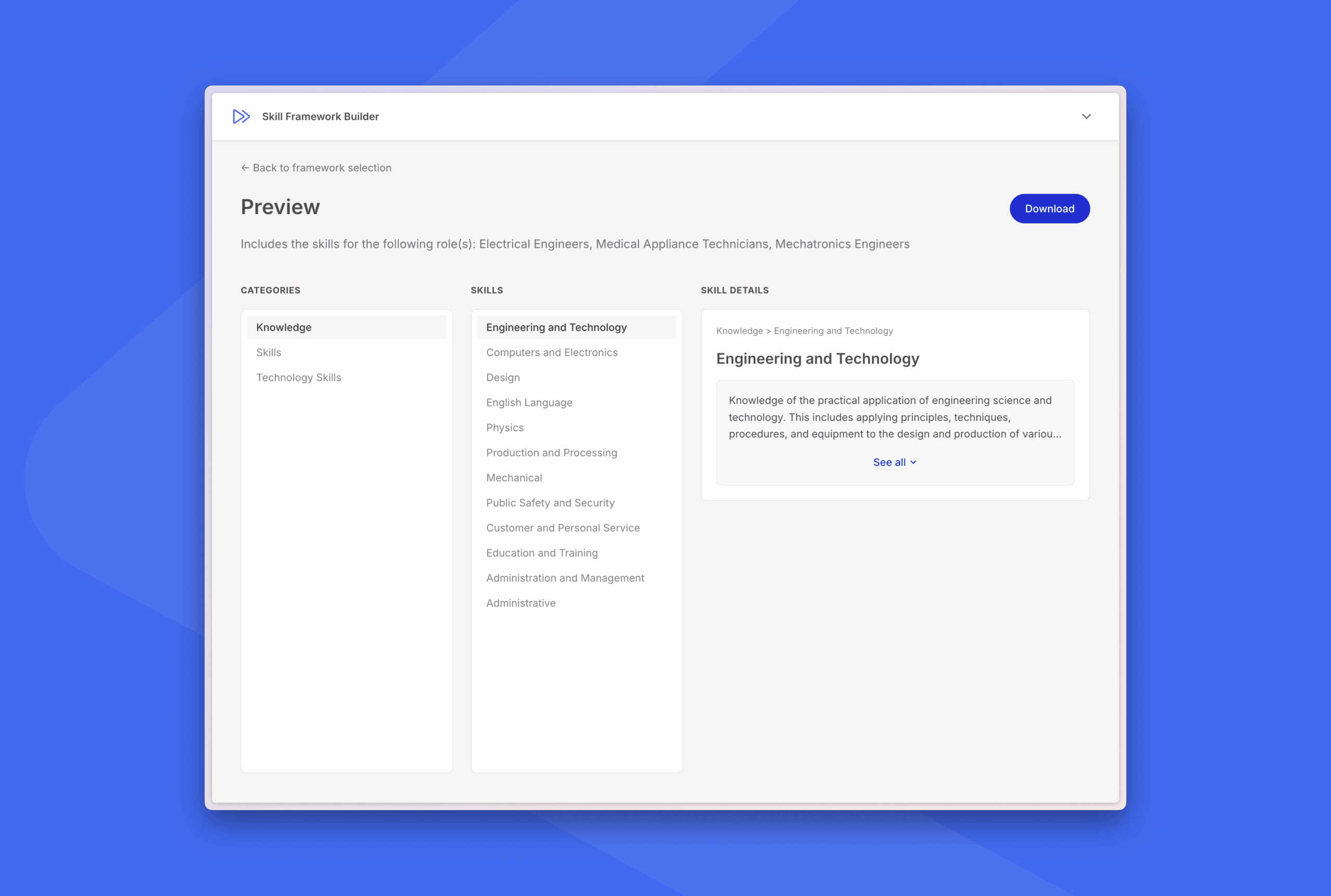
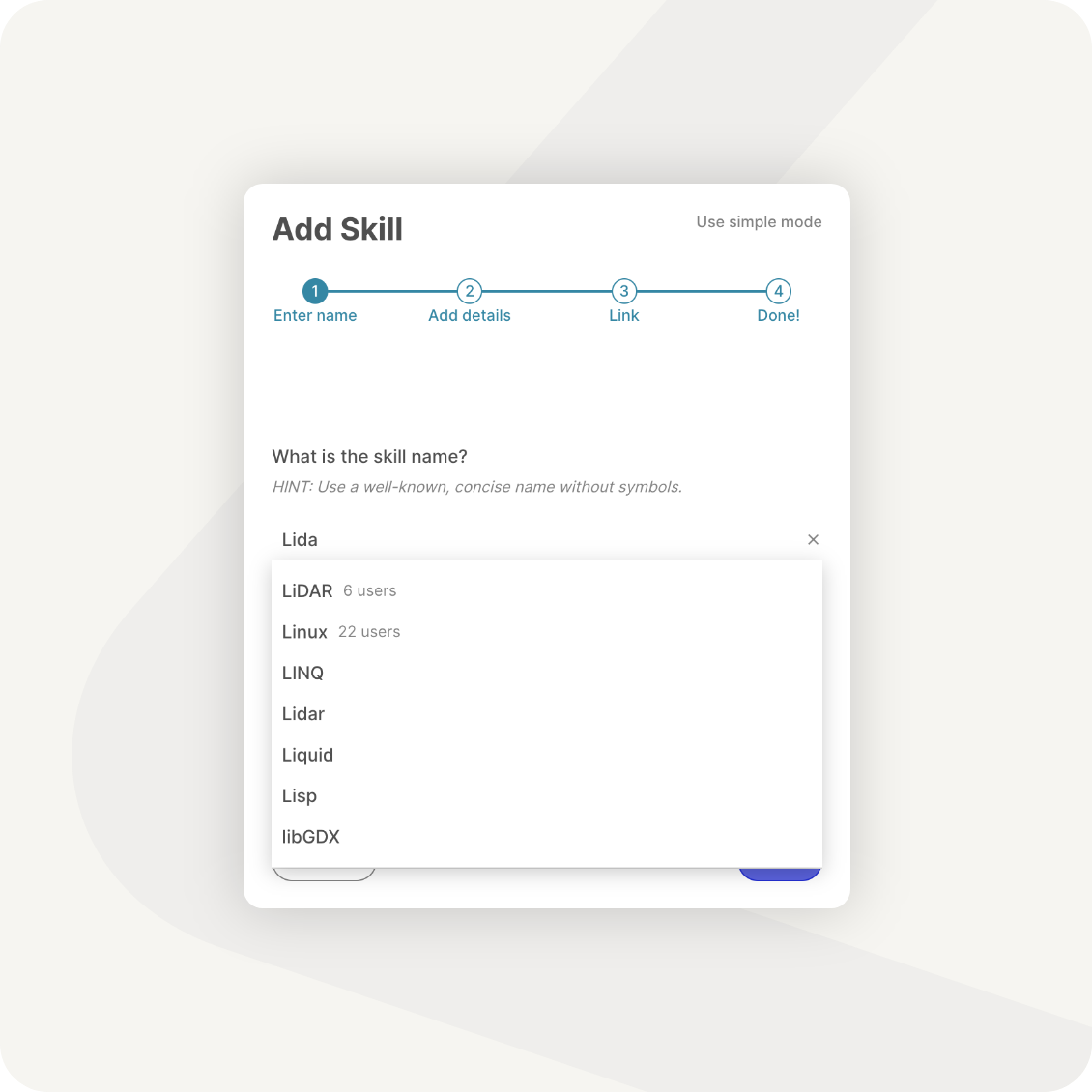
In a nutshell, Zipteam is a tool to enhance team performance. Users enter their skills through our intuitive forms, which are managed in a graph-based database. Users can search for people with certain skills and form teams using this data. Typically, when forming a team, you had to rely on intuition to make decisions. With Zipteam, you can take a data-driven approach.
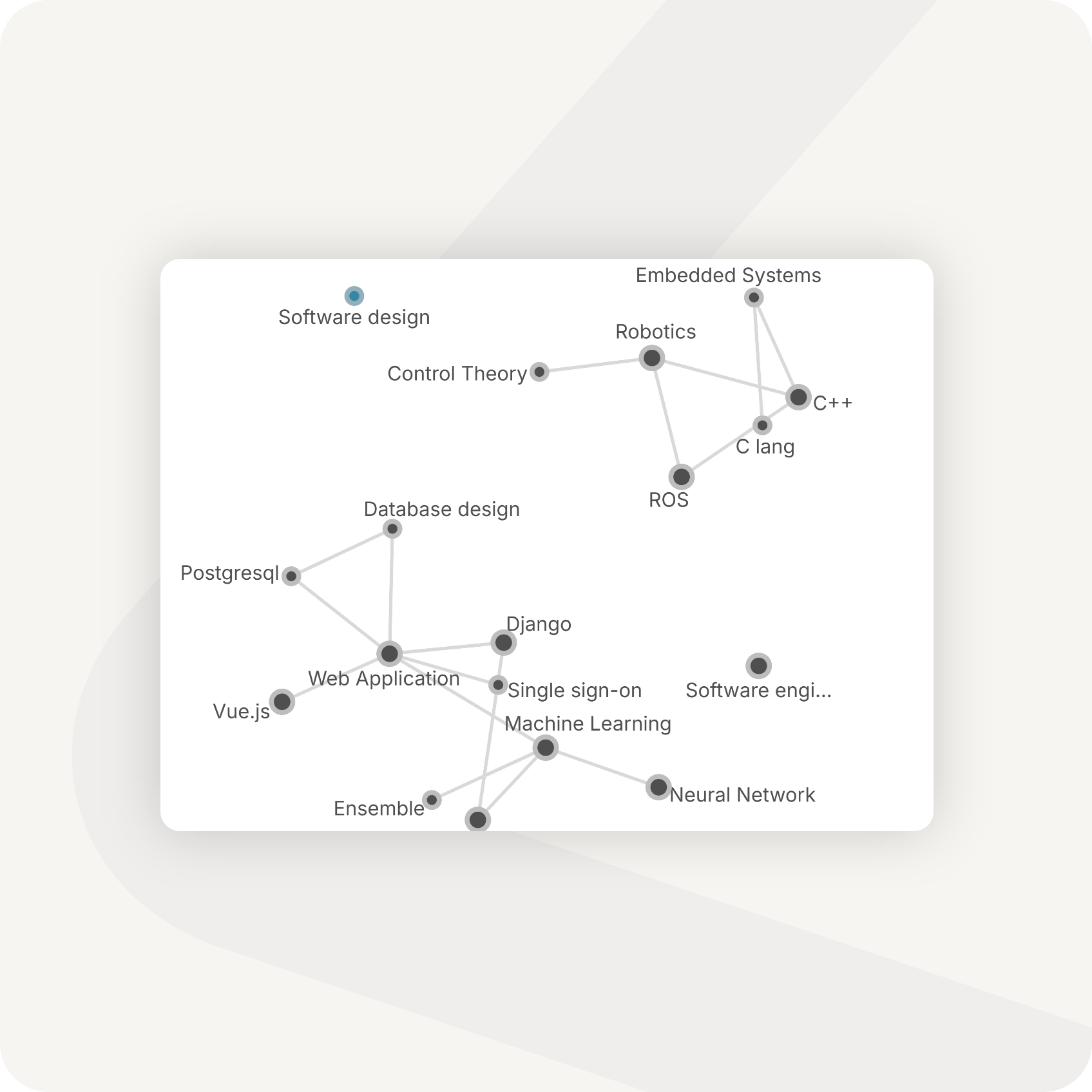
Zipteam has three main pillars. The first is understanding the skills and experiences of employees. In sports, various in-game metrics are analyzed to gain insights and predict performance, such as Sabermetrics in baseball. Similarly, Zipteam collects and uses data about people’s skills and experience to achieve the same in the field of knowledge work.
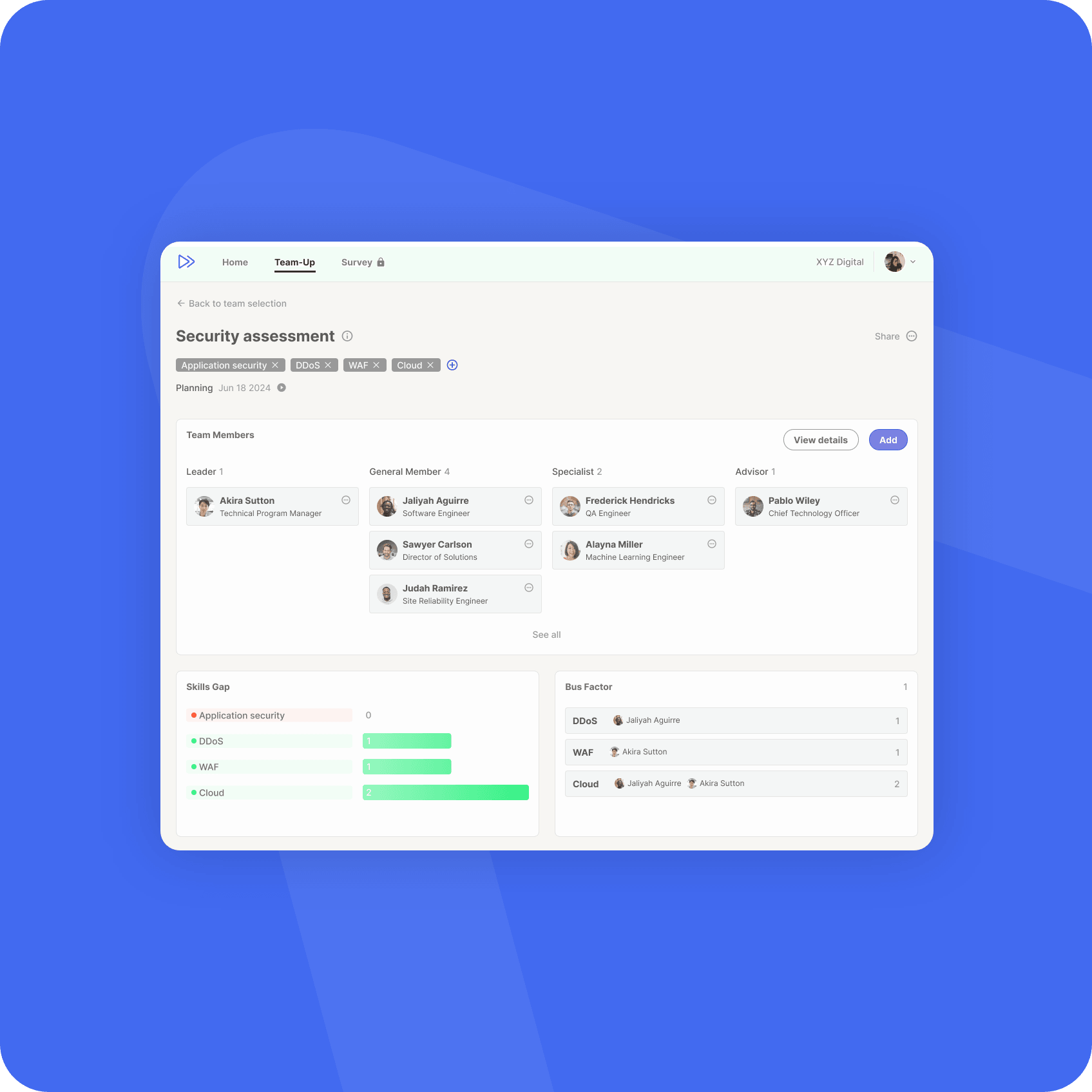
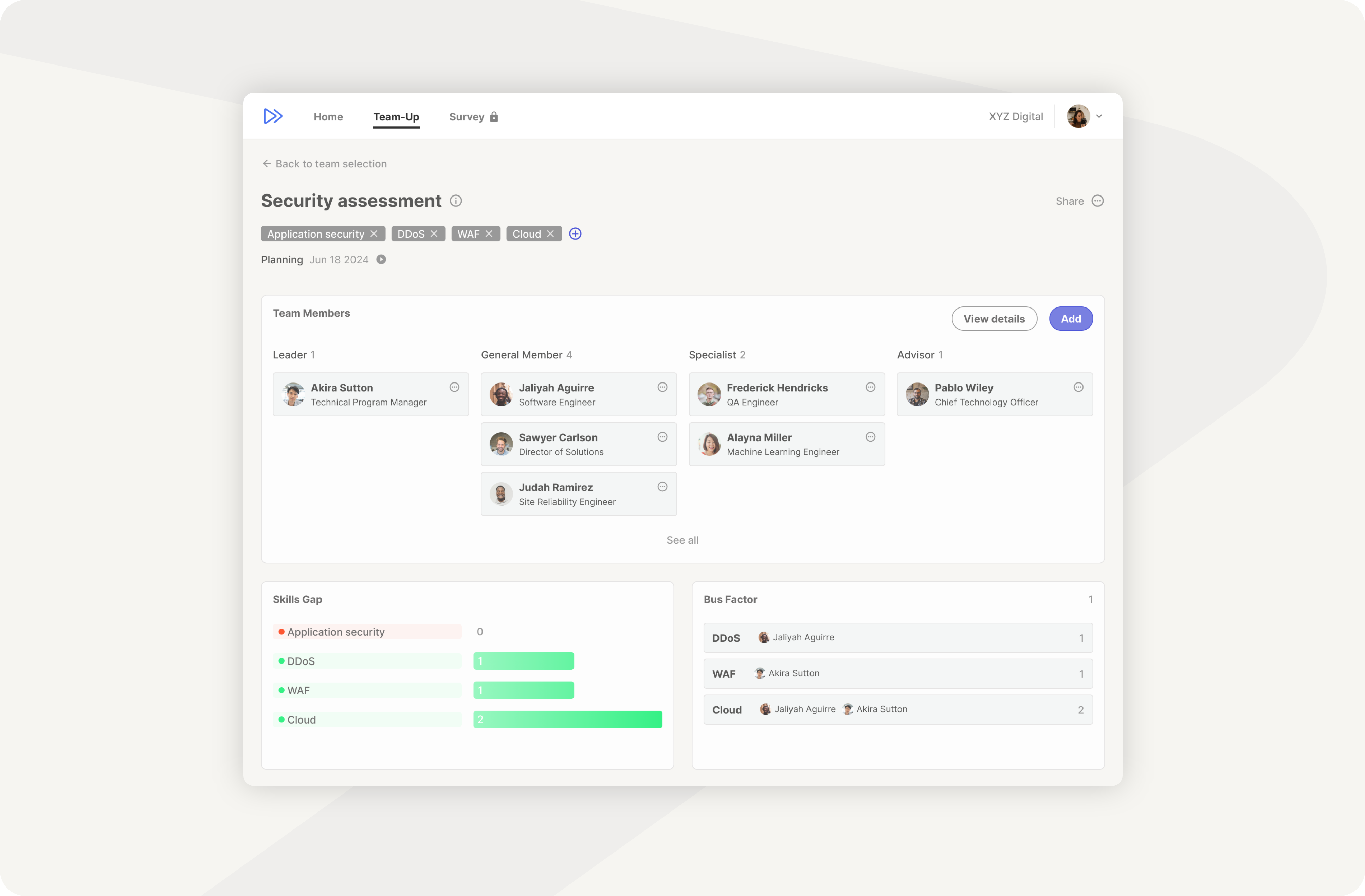
The second pillar is creating the best team by leveraging data with analytics. When leaders form new project teams, they often think the best team consists of star performers. However, these teams may lack the diverse skills required by the business, and star performers are often overloaded with other projects before you assign them. Therefore, it’s crucial to investigate if there are hidden talents within the company and align the necessary elements for the team with members’ skills. If skill gaps are identified, options like getting support from external members or hiring new employees become available.
The third pillar is collaboration between people. As the saying goes, “Innovation comes from tacit knowledge.” Groundbreaking products don’t just materialize mechanically by devising a new management strategy. Such innovations occur when people have an epiphany or share ideas. This innovation can happen top-down or bottom-up. However, it’s necessary to identify who has the knowledge you need, who can mentor you on challenges, and interact beyond departmental boundaries.
Who is Zipteam for?
Zipteam is designed primarily for business-focused technical organizations. While its implementation can involve HR departments, Zipteam aims to enhance team performance, delivering the most benefits to those facing complex business and technical challenges.
One customer undergoing rapid M&As needed to launch a project to migrate their ERP system using internal resources. However, no one knew who had the necessary skills for the project. This situation is common in many companies taking on a new breakthrough initiative.
Additionally, there are cases where one project team is over-skilled and another is under-skilled, affecting the project outcome, team morale, and employee retention. Without awareness of people’s skills, it’s challenging to staff teams with the right skill sets. This is another challenge Zipteam addresses.
One of our customers in Japan used Zipteam across multiple global sites and discovered that an employee in their European subsidiary was an expert in a key technology and also spoke Japanese. The employee was then invited to Japan for a knowledge-sharing session. In another case, Zipteam was used to analyze the skills lacking in key projects, enabling the company to make data-driven decisions on talent tactics like hiring and training.
There is growing interest in skills within the HR technology market, but it is still rare to see skills utilized for productivity. For such use cases, we need more granular and dynamic skills data. This is the challenge Zipteam solves with its intuitive UI, skills graph, and AI.
Why we are building Zipteam
We felt that despite the importance of “people” in innovation and value creation, there are very few tools to empower them. The more you listen to stories about implementing new technology or concepts, you realize that ultimately it’s about people. Companies struggling to transform or innovate probably have some “people” issues.
The more management resources a company has, the more options it has to compete and grow. The excess risk money and rapid commoditization of our time suggest that there is more weight on “people.” Yet, having more employees does not necessarily equate to more benefits due to excessive management layers and organizational silos. This is why we need startups, but we believe big companies can do better. After all, more than half of the entire North American workforce works for large companies with over 500 employees.
Again, innovation comes from people’s tacit knowledge. Skills are the tacit knowledge we use for value creation. By effectively utilizing them, we can extend the scale merits of people. This is our philosophy behind Zipteam.